
World Yoruba Spiritual Worshippers Inc.
Is a faith-based, cultural, and educational organization dedicated to the preservation, promotion, and global advancement of Yoruba spiritual heritage, indigenous knowledge systems, sacred traditions, and ancestral wisdom. The organization serves as a bridge between generations, communities, and scholars by protecting the authenticity of Yoruba spirituality while fostering education, research, cultural unity, and ethical leadership.
Through spiritual practice, community engagement, scholarly inquiry, and traditional knowledge preservation, World Yoruba Spiritual Worshippers Inc. seeks to strengthen the identity, dignity, and legacy of the Yoruba people and all who honor the sacred traditions of African indigenous civilization.
Joining the World Yoruba Spiritual Worshippers means becoming part of a vibrant, supportive, and spiritually enriching community. Membership is open to all individuals who respect and wish to learn about Yoruba spirituality, regardless of background or location.
Membership categories include Individual, Family, and Organizational memberships to accommodate diverse needs.
Complete this form to begin your spiritual journey with us
The Yoruba people are one of the largest ethnic groups in West Africa, mainly found in southwestern Nigeria, Benin, and Togo. Yoruba culture has also spread across the world through migration and the African diaspora, especially to Brazil, Cuba, Trinidad, Haiti, the United States, and the United Kingdom.
The Yoruba language, called Èdè Yorùbá, is an important part of Yoruba identity. Respectful greetings are very important in Yoruba culture. Younger people greet elders with respect, often kneeling or prostrating depending on gender and family tradition.
Common greetings include:
Traditional Yoruba religion is based on belief in Olódùmarè, the Supreme Being, and many spiritual forces known as Òrìṣà. Some important Òrìṣà include:
Yoruba spirituality has influenced religions in the diaspora such as Candomblé in Brazil, Santería/Lukumí in Cuba, and Vodun traditions in the Caribbean.
Yoruba festivals are colorful events that involve music, dance, prayers, masquerades, food, and community celebration. These festivals help preserve Yoruba history, spirituality, traditions, and community values.
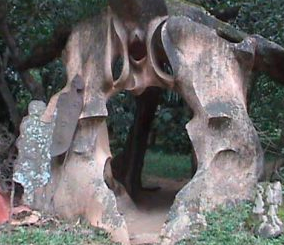
The Ọ̀ṣun-Òṣogbo Festival is one of the most famous Yoruba festivals. It is held every year in Òṣogbo, Osun State, Nigeria. The festival honors the goddess Ọ̀ṣun and takes place at the sacred Ọ̀ṣun Grove, a UNESCO World Heritage Site.
The Egúngún Festival celebrates ancestors. Masqueraders wear elaborate costumes and dance through the community. It is traditionally believed that the ancestors return spiritually to bless and guide the living. The festival is also an important occasion for preserving family history and cultural identity.
The Ṣàngó Festival honors Ṣàngó, the Yoruba deity associated with thunder and lightning. It is especially celebrated in Ọ̀yọ́, Nigeria, with drumming, dancing, chanting, prayers, and traditional rituals.
The Eyo Festival is associated with Lagos Island. Participants traditionally wear white robes and hats, representing spirits of the ancestors. The festival may be held to honor important chiefs, kings, or significant historical events.
The Gelede Festival celebrates women, motherhood, and feminine spiritual power. It includes masked performances, music, dance, and storytelling. The festival also reflects the importance of women in maintaining social and cultural harmony.
Held in Ijebu-Ode, Ogun State, the Ojude Oba Festival is a major Yoruba cultural event. Families, age groups, community associations, and horse riders gather to pay respect to the Awujale, the traditional ruler of Ijebu land. The festival is known for its colorful traditional clothing, horse riding displays, music, and cultural performances.
Yoruba weddings are lively and symbolic celebrations that bring families together. Important parts of a traditional Yoruba marriage ceremony may include:
Marriage is traditionally seen as a union between two families, rather than only between two individuals. Family members and elders often play an important role in the ceremony.
A Yoruba child is usually named on the seventh or eighth day after birth, depending on family and religious tradition. Names often carry deep meanings and may reflect the circumstances of birth, family hopes, gratitude, or spiritual beliefs.
Examples of Yoruba names include:
Yoruba communities often have traditional rulers called Oba. These rulers serve as important custodians of culture, history, customs, and traditional institutions.
Famous Yoruba traditional titles include:
Music is central to Yoruba culture and is used during festivals, religious ceremonies, weddings, funerals, naming ceremonies, and other community events. Traditional Yoruba music often combines powerful rhythms, singing, dancing, and storytelling.
Traditional instruments include:
Yoruba musical traditions have influenced modern genres such as Afrobeat, Fuji, Juju, Apala, and gospel music.
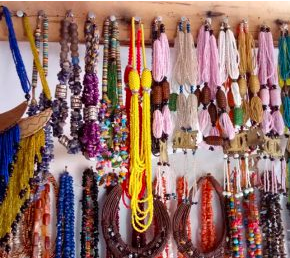
Traditional Yoruba clothing is known for its elegance, bright colors, detailed designs, and beautiful fabrics. Clothing styles can vary according to the occasion, social status, age, and personal preference.
Common Yoruba clothing includes:
Yoruba cuisine is rich, diverse, and widely enjoyed. Food plays an important role in festivals, weddings, funerals, family gatherings, and other celebrations.
Popular Yoruba foods include:
Yoruba people are known for a wide range of artistic and craft traditions. These art forms have played an important role in preserving history, religion, identity, and social values.
Examples of Yoruba art and crafts include:
Ile-Ife is especially famous for ancient Yoruba bronze and terracotta sculptures, which demonstrate the sophistication of Yoruba artistic traditions.
Funerals are significant cultural events in Yoruba society. They may include prayers, music, dance, family gatherings, and ceremonies to honor the life and achievements of the deceased. Respect for ancestors is an important part of traditional Yoruba culture, with ancestors regarded in many traditions as spiritual guardians of the family.
Yoruba traditions are celebrated in many parts of the world. In places such as Brazil, Cuba, Trinidad, Haiti, the United States, and the United Kingdom, Yoruba-derived religions, music, dance, language, food, and cultural practices continue to thrive.
Events honoring Òrìṣà, African heritage festivals, Yoruba cultural associations, religious celebrations, and community gatherings help preserve Yoruba culture among people of Yoruba ancestry and others who have embraced Yoruba traditions. The global spread of Yoruba culture demonstrates the lasting influence of Yoruba history and traditions across generations.
Yoruba tradition is rich in language, respect, spirituality, music, dance, clothing, food, festivals, art, and family values. Yoruba cultural events bring people together to honor ancestors, celebrate life, preserve history, and strengthen community identity. From traditional festivals in Nigeria to Yoruba cultural and spiritual celebrations across the African diaspora, these traditions continue to evolve while maintaining strong connections to Yoruba heritage.
We welcome all inquiries and messages.
Email: yswtworldwide@gmail.com,yorubatempleint@hotmail.com
Phone: +2348165351211
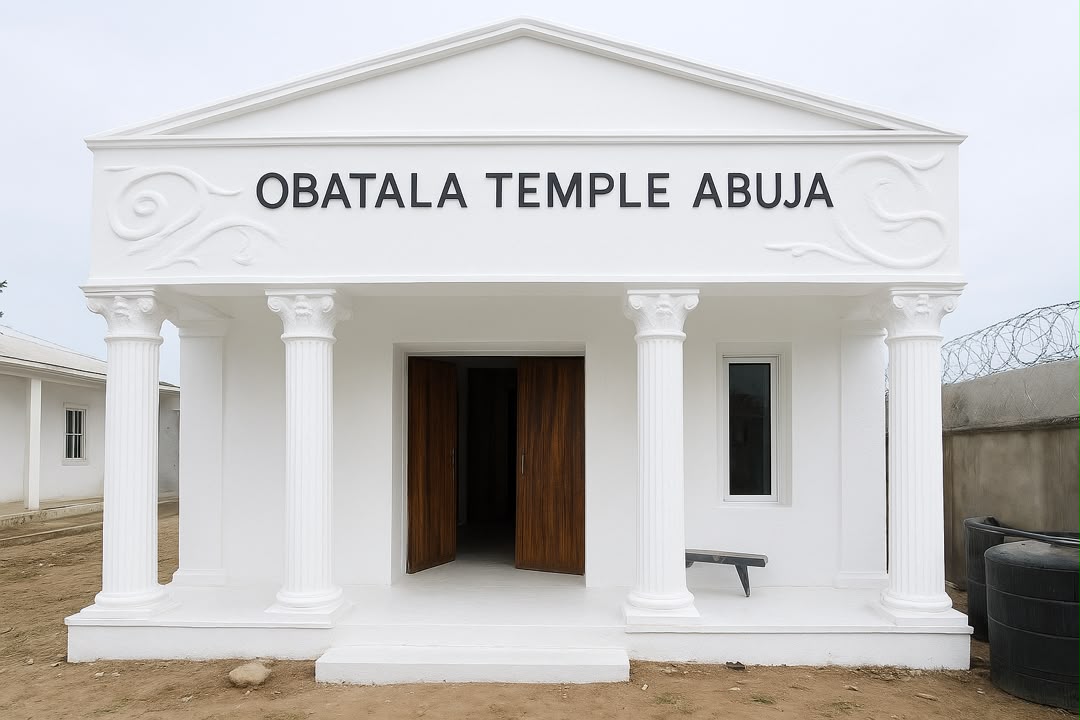
Address: Yoruba Spiritual Worshippers Temple Abuja
📍 Find Us on Google Maps
Social Media:
Facebook: @WorldYorubaSpiritualWorshippers
We welcome spiritual communities to collaborate in unity and cultural exchange.
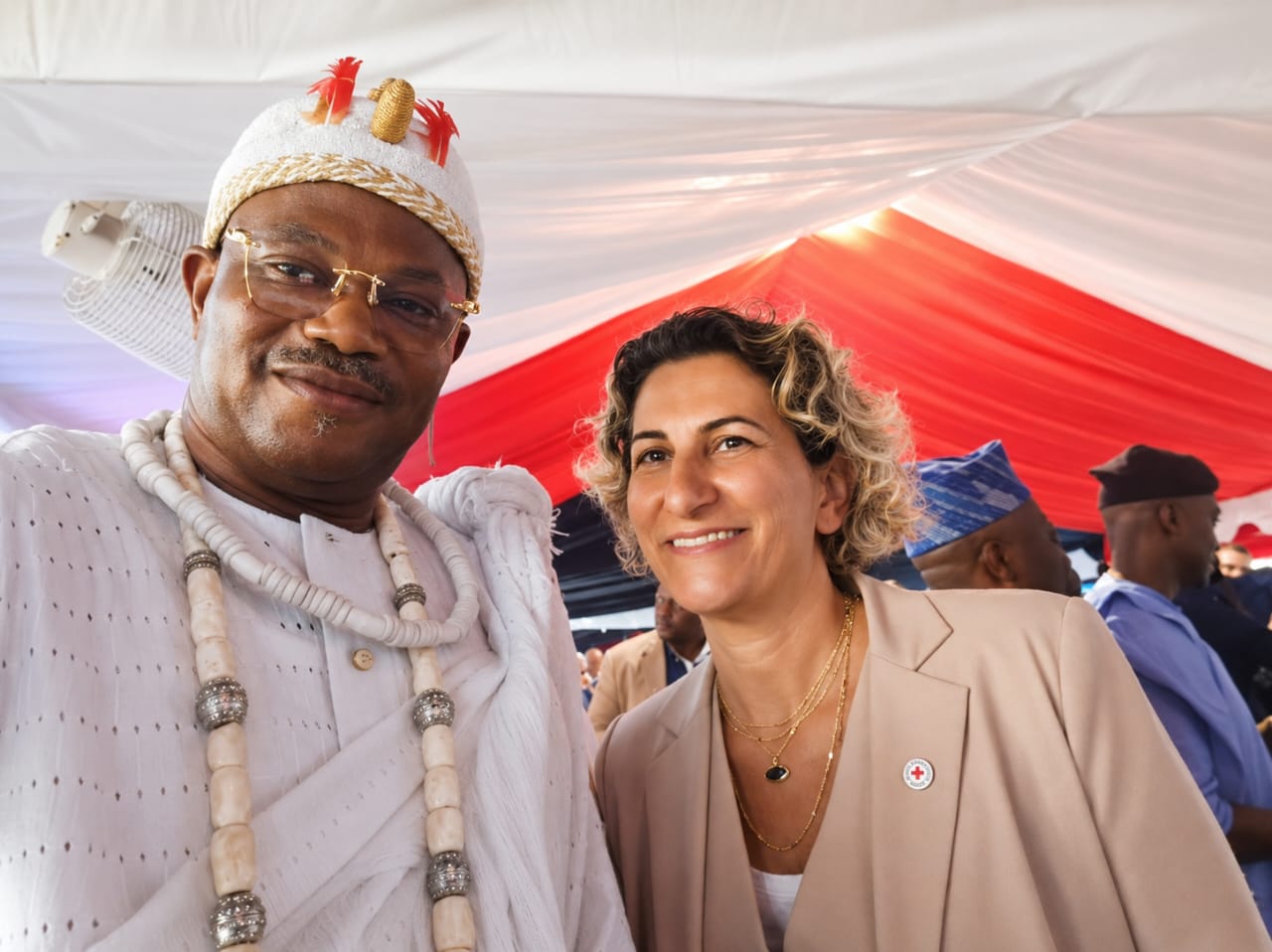
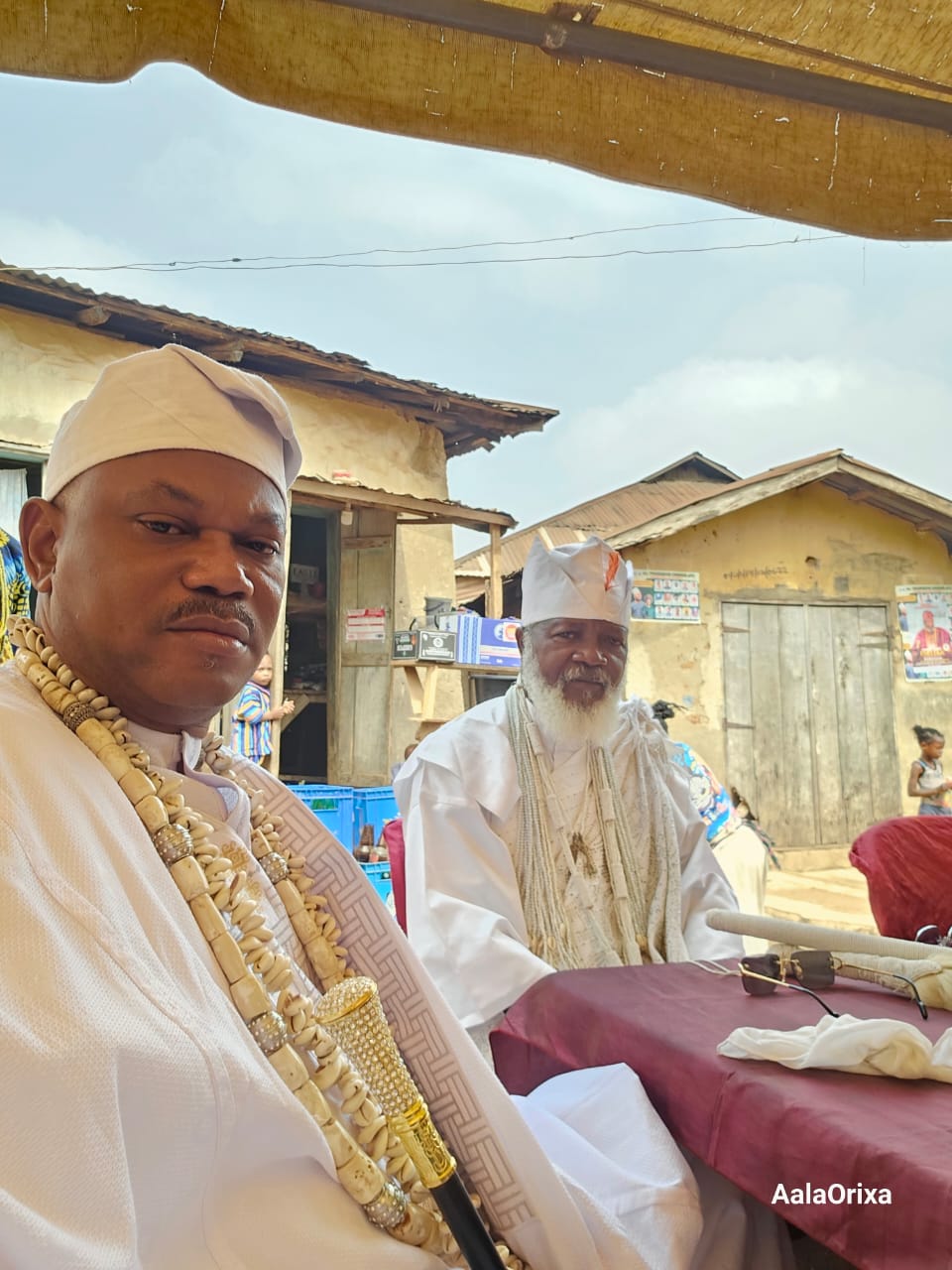
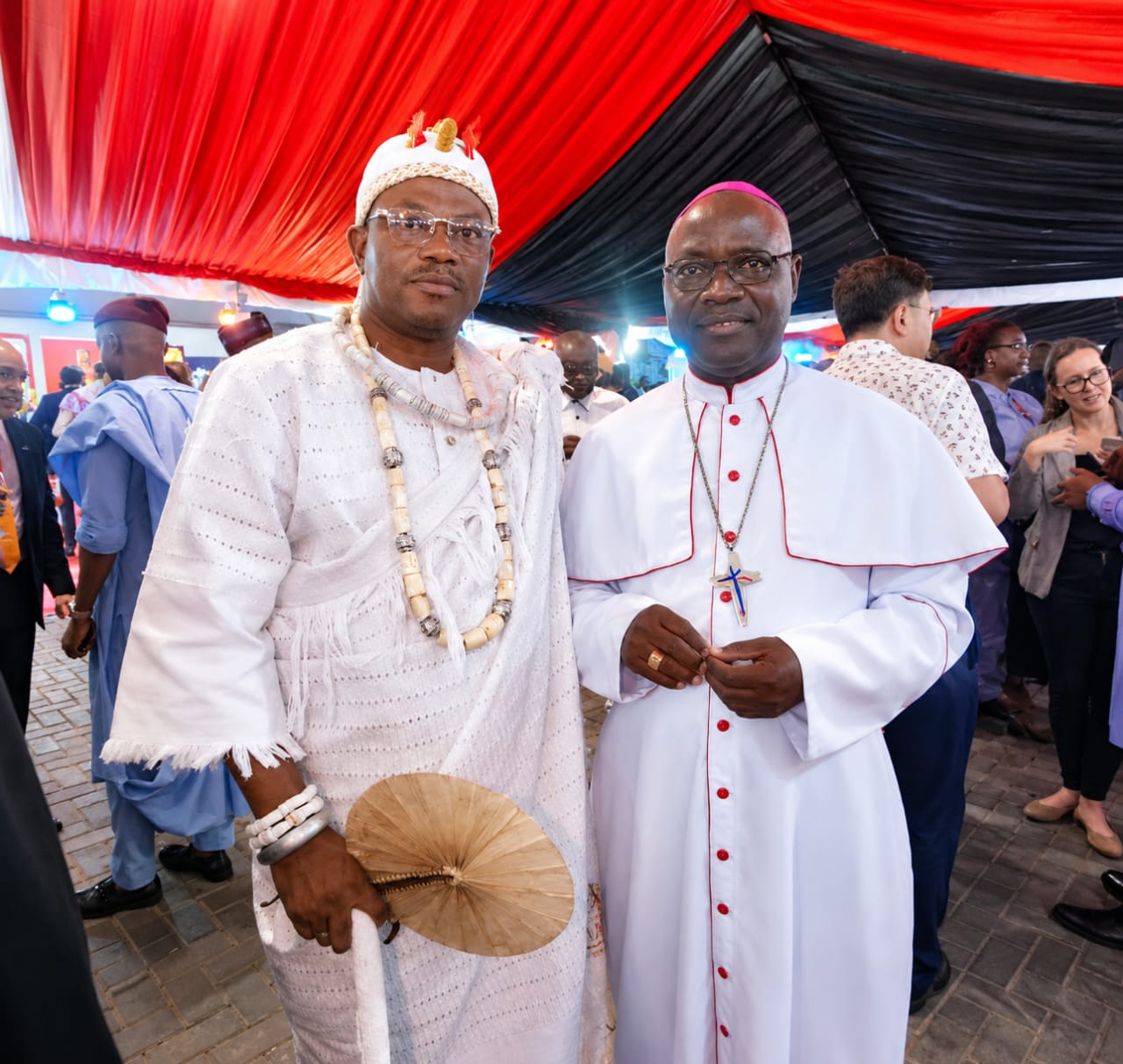
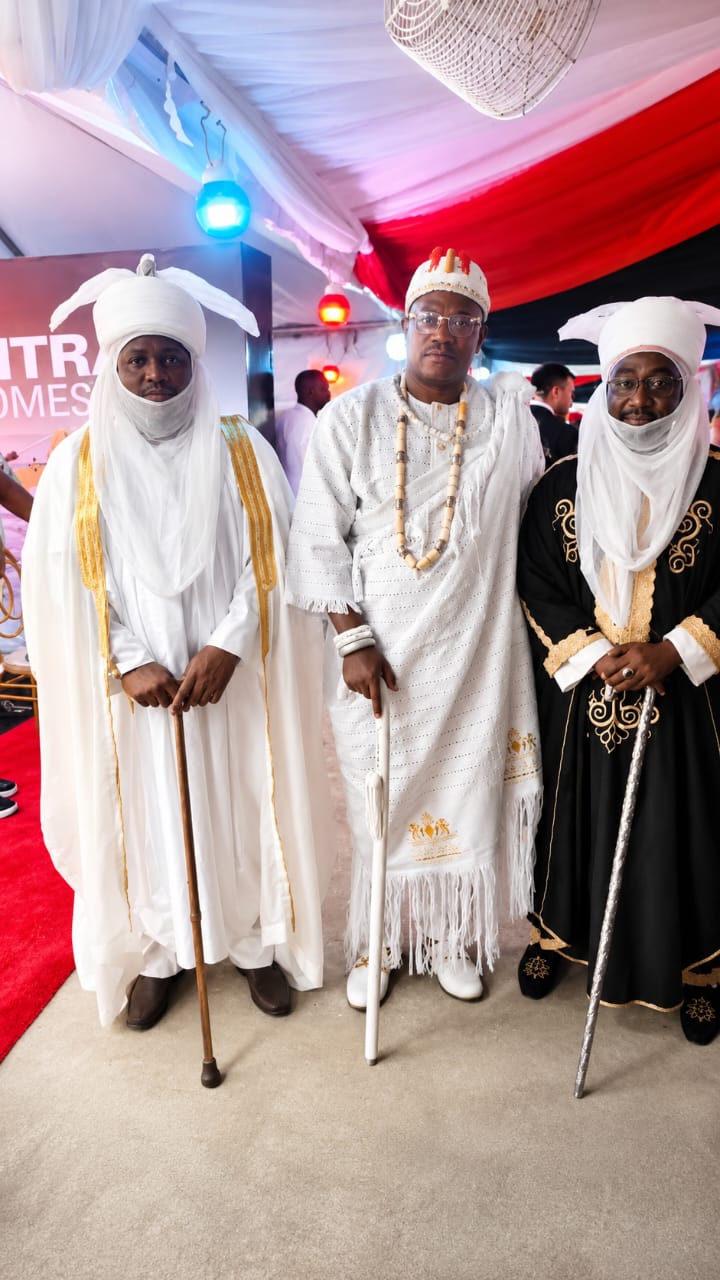
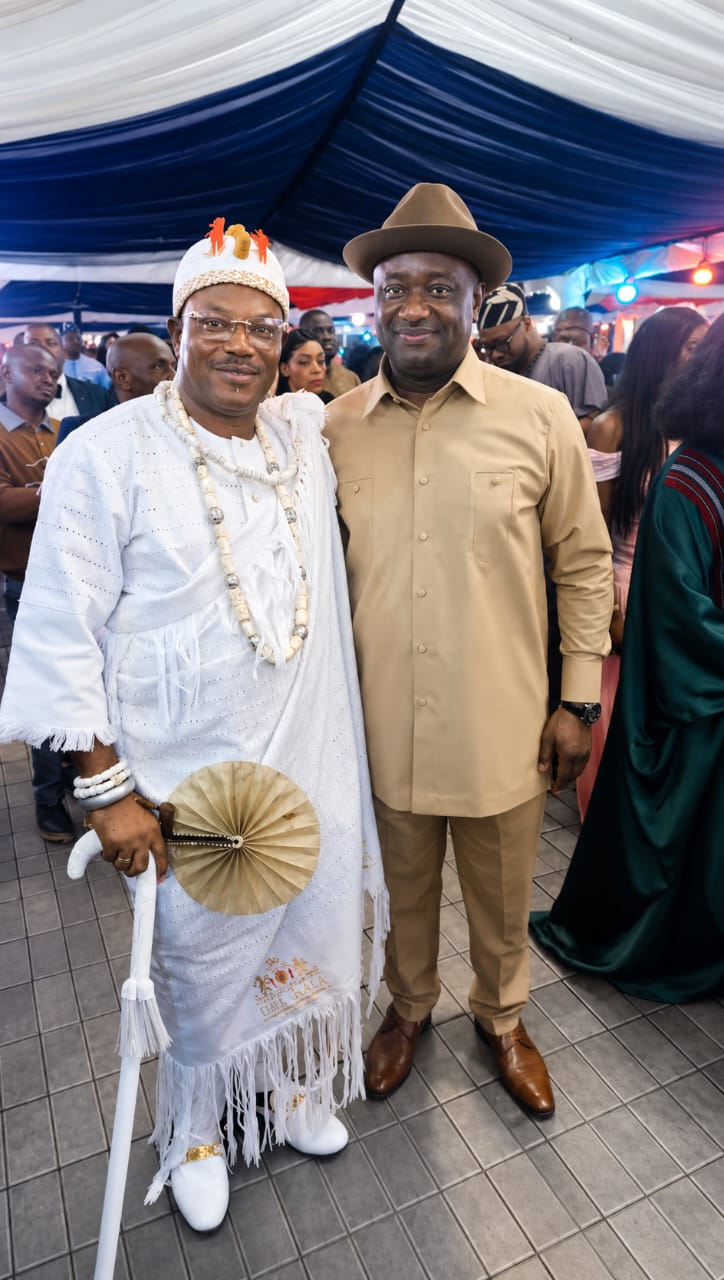
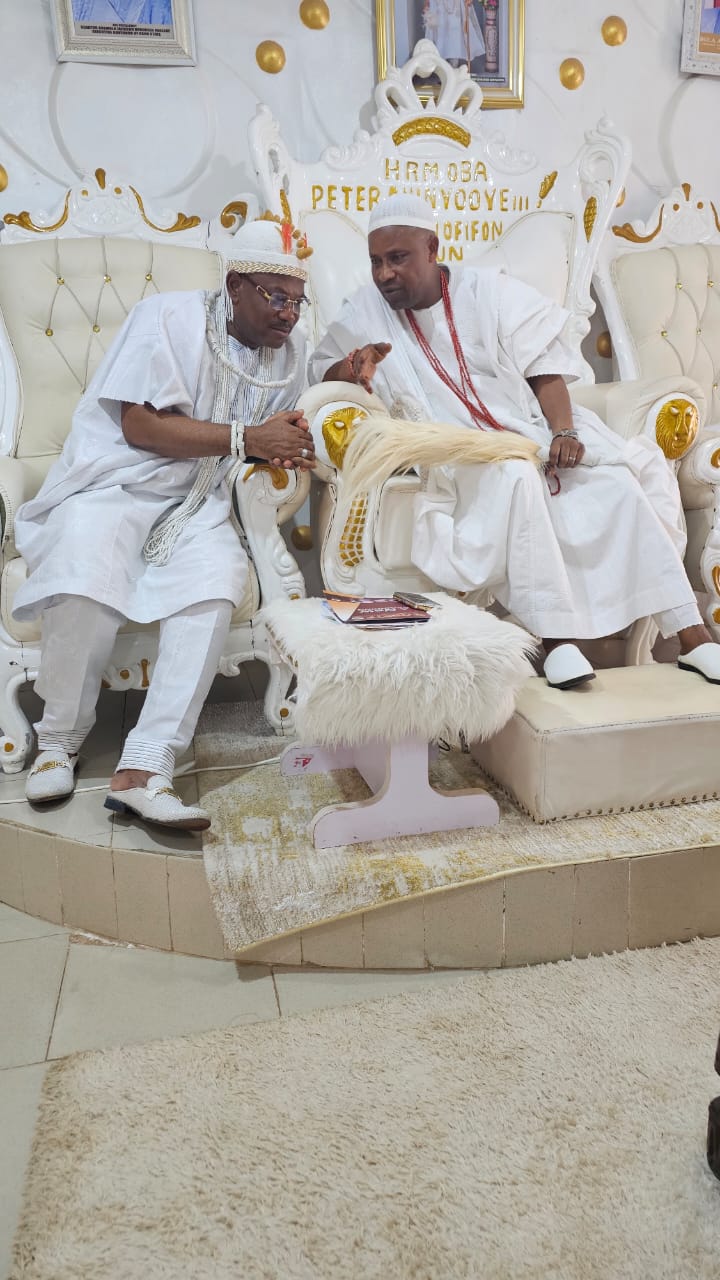
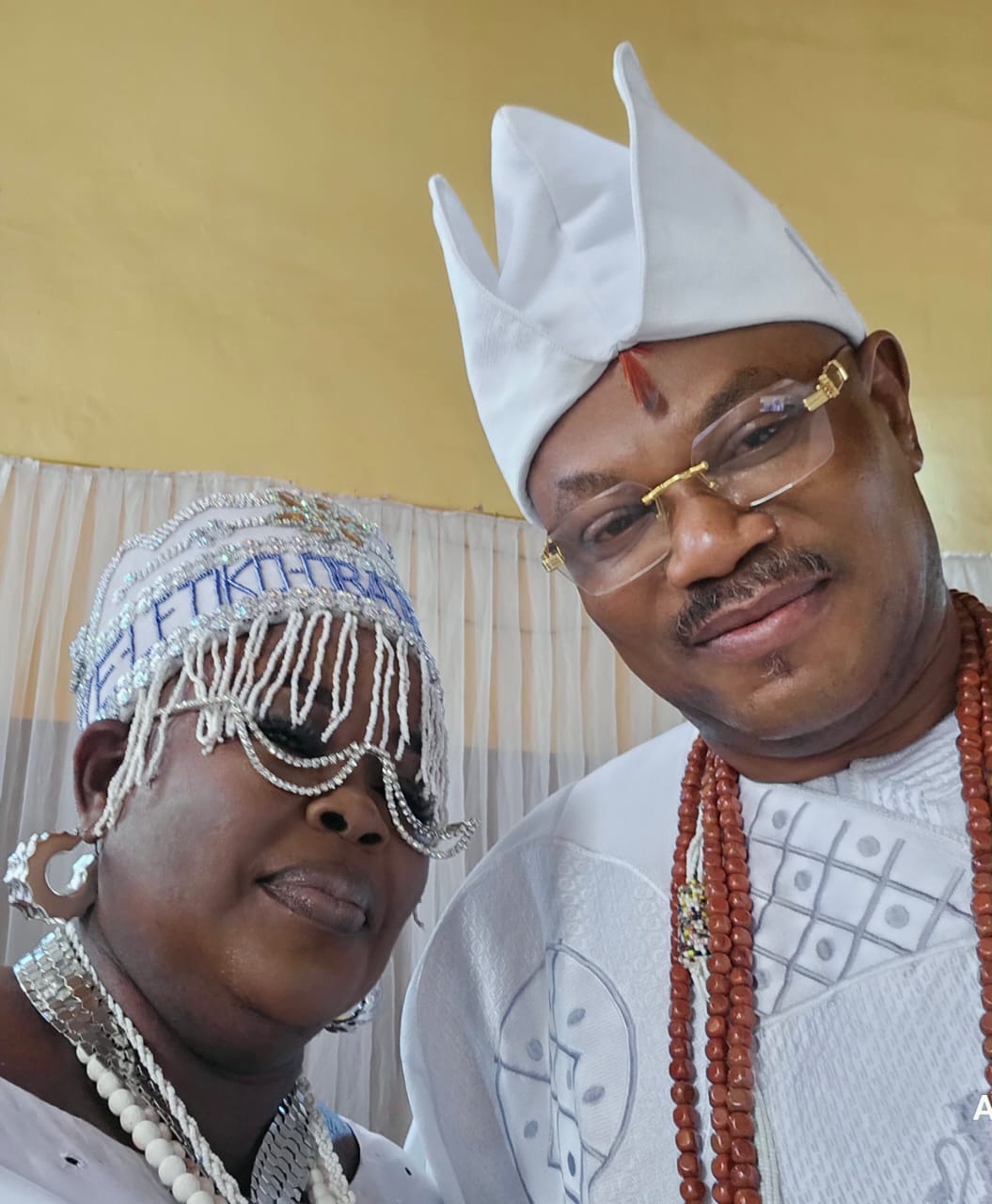
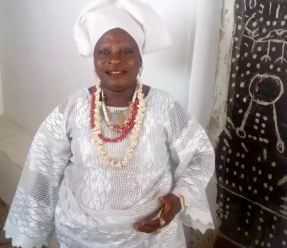
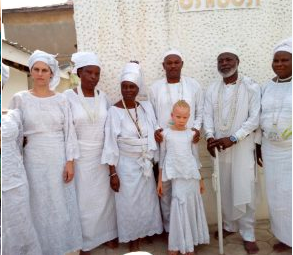
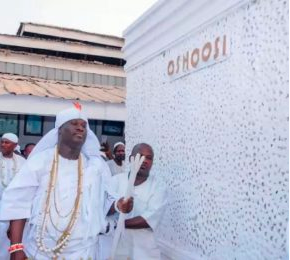
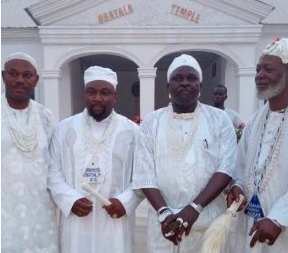
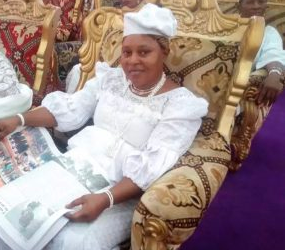
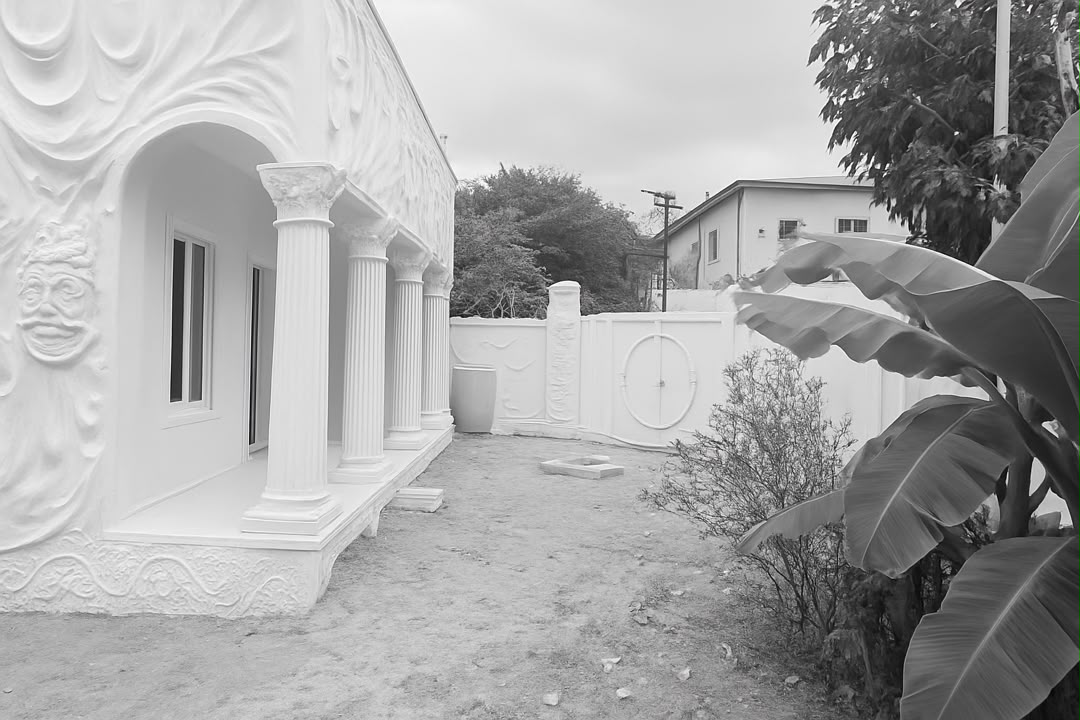
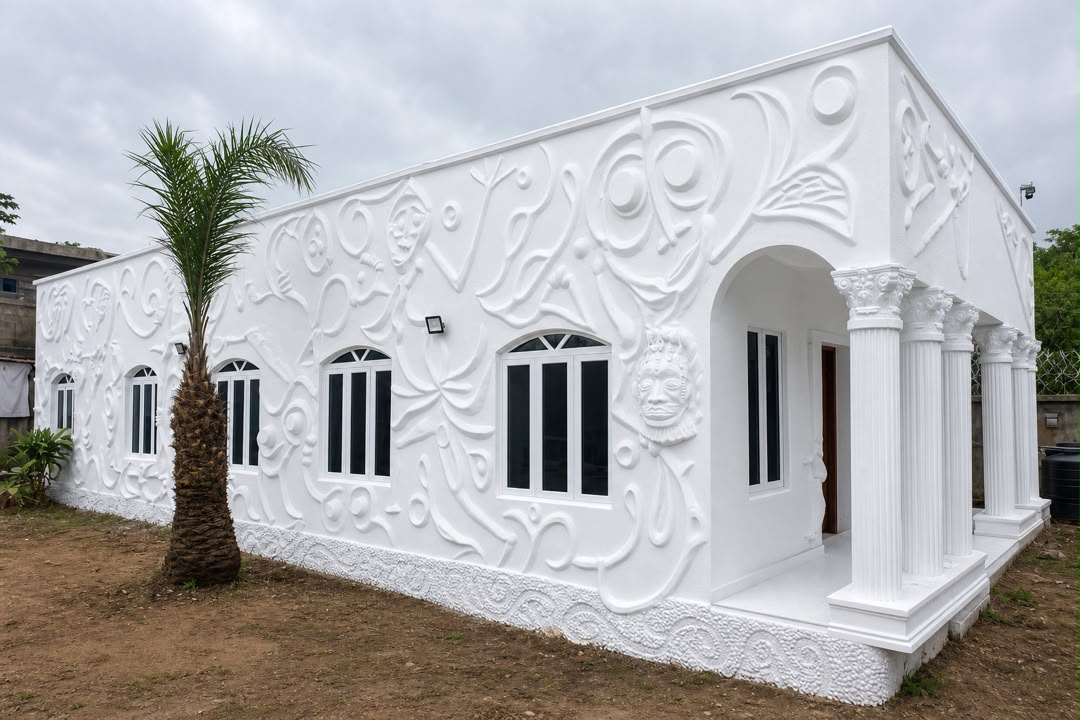
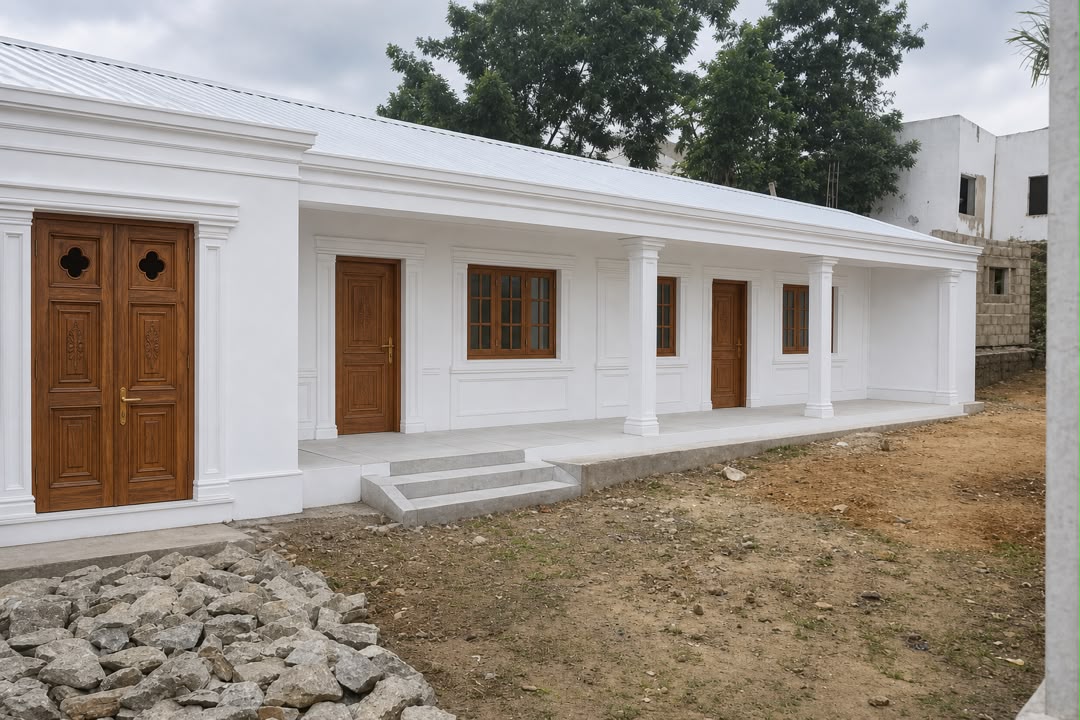
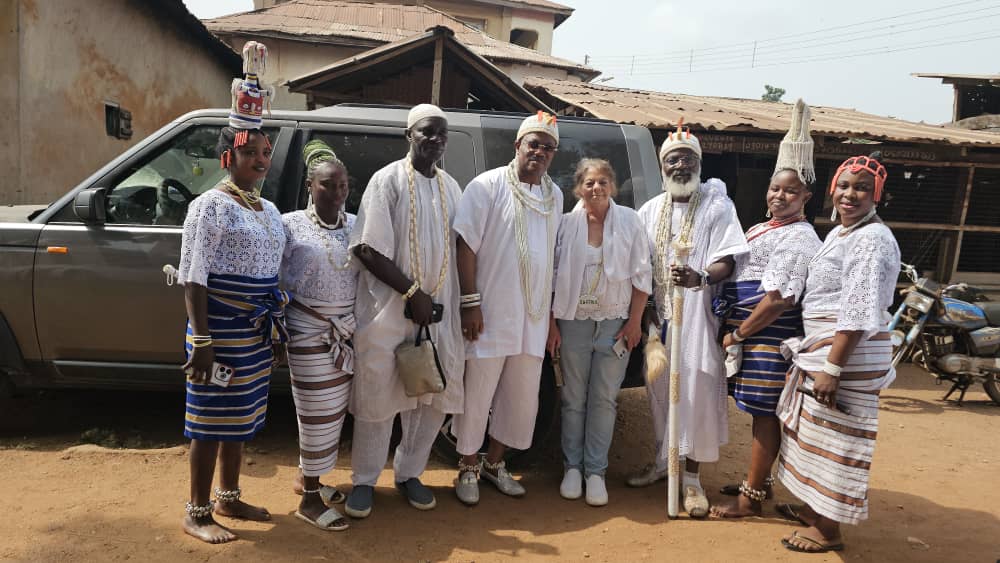
Explore moments from our spiritual gatherings, festivals, and community events.
Health, Wealth, Freedom These are the divine blessings we pursue through spiritual connection and community support.